Holland Park courtyard restored by Notting Hill gardeners
Posted on 19/11/2026
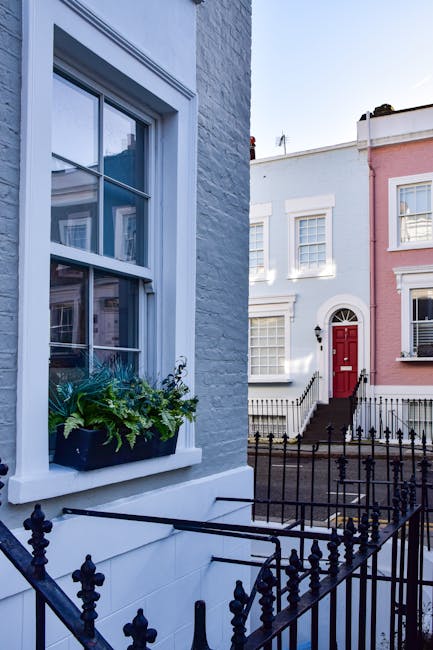
Holland Park Courtyard Restored by Notting Hill Gardeners: A Practical Guide to Urban Garden Revival
If a courtyard has started to feel cramped, patchy, or simply forgotten, you are not imagining it. Small London spaces take a beating from shade, hard surfaces, winter damp, and everyday use, and they can slip from charming to tired surprisingly fast. A Holland Park courtyard restored by Notting Hill gardeners is not just about making things look prettier. It is about bringing structure back, improving drainage and planting conditions, and creating a space that actually works for real life.
In this guide, we will break down what courtyard restoration involves, why it matters in a place like Holland Park, how a proper restoration usually unfolds, and what you should watch out for before you start. We will also look at practical design choices, maintenance planning, compliance considerations, and the sort of detail that makes the difference between a quick tidy-up and a restoration that lasts. Truth be told, courtyards are often trickier than bigger gardens. Less room for error. More pressure on every decision.
Why Holland Park courtyard restored by Notting Hill gardeners Matters
Court yards in west London are often asked to do a lot. They need to be attractive, but also private. Green, but not overgrown. Low maintenance, but still alive with texture and seasonal interest. That combination is harder to achieve than many people expect, especially where walls, neighbouring buildings, and limited sunlight narrow the options.
When a courtyard is restored properly, the space usually feels larger, calmer, and more useful straight away. That can mean better paving, cleaner lines, healthier planting, and a layout that finally makes sense. It might also mean dealing with old ivy, compacted soil, poor drainage, tired containers, or a seating area that was added years ago and never quite worked. If you want a broader view of how tired outdoor areas can be turned around, the principles in garden revival planning are especially useful.
In Holland Park, restoration matters because courtyards often sit at the crossroads of beauty and practicality. They are close to the home, visible from key rooms, and used constantly. That means a small problem, like slippery patio joints or a struggling border, becomes visible very quickly. Left alone, the whole space can begin to feel awkward. Restored well, it becomes one of the most enjoyable parts of the property. You notice the difference the moment you step outside.
How Holland Park courtyard restored by Notting Hill gardeners Works
A good courtyard restoration is usually a sequence of carefully ordered decisions rather than one dramatic makeover. First comes assessment. What is the surface like? Is there drainage trouble? How much shade does the space receive through the day? Are there roots, ivy, or structural issues under the surface? These questions shape everything that follows.
Next comes clearing and correction. That may involve stripping out weeds, pruning damaged growth, removing debris, pressure cleaning hard landscaping, and sometimes replacing compacted or depleted top layers of soil. For courtyards with stone or paving, a thorough clean can be transformative. A lot of people are surprised by how much cleaner and brighter an older space looks once staining, algae, and moss have been lifted away. If you are dealing with a neglected hard surface, patio cleaning in Notting Hill often sits at the heart of the job.
After that comes rebuilding the structure of the space. This usually means deciding where the eye should go first, where seating belongs, what should be evergreen, what can move seasonally, and how much maintenance the owner realistically wants. In some projects, raised planters or screens help define zones. In others, a simpler approach is better. A courtyard does not need to be elaborate to feel elegant. In fact, overcomplicating it is a classic mistake.
Finally, planting and finishing details bring the courtyard to life. That may include shade-tolerant shrubs, evergreen foliage, climbers, containers, herbs, ground cover, or a restrained zen-style layout. For clients who want low-fuss greenery in darker spaces, ideas from evergreen foliage for dim corners can be particularly helpful. The aim is never just decoration. It is balance, usability, and durability in one compact space.
Key Benefits and Practical Advantages
The strongest benefit is obvious enough: a restored courtyard simply feels better to use. But the real value goes deeper than appearance. Here are the practical gains people tend to notice first.
- Improved usability: a clearer layout means the space actually works for sitting, planting, moving, and entertaining.
- Better light and movement: pruning and redesign can open up a courtyard that felt boxed in.
- Lower ongoing maintenance: a sensible planting plan reduces the need for constant fiddling.
- Safer surfaces: cleaning and correcting slippery areas helps reduce slips and trips.
- Stronger privacy: careful screening can make a courtyard feel more secluded without turning it into a bunker.
- Higher visual consistency: matching paving, planting, and furniture to the architecture creates a more polished feel.
There is also a quiet psychological benefit, which people often mention after the work is done. A restored courtyard becomes a place where you can sit with coffee in the morning or step out for five minutes in the evening and actually breathe. Not fancy. Just good.
For households trying to make a small outdoor space work around children, pets, or frequent entertaining, planning matters even more. Pet-safe planting choices can avoid constant worry, and you may find the advice in pet-friendly planting strategies for dog owners useful if the courtyard needs to be beautiful and practical at the same time.
Who This Is For and When It Makes Sense
This kind of restoration makes sense for a wide range of homeowners and property managers, but it is especially relevant if one or more of the following sounds familiar.
- Your courtyard looks tired, muddy, or uneven after several seasons of neglect.
- The space is shaded and nothing seems to thrive for long.
- You have a patio or paved area that is stained, slippery, or full of weeds.
- The garden feels too open and you want a softer, more private feel.
- You want a low-maintenance outdoor area rather than a high-input garden.
- You are preparing a property for sale or letting and want a stronger first impression.
- You have inherited a courtyard with old ivy, awkward containers, or half-finished landscaping.
It also makes sense when you already know the old setup is not serving your lifestyle. Maybe the seating is uncomfortable. Maybe the path to the rear door is awkward. Maybe the plants need replacing every year because the wrong species were chosen in the first place. In those cases, a bit of well-judged restoration is not a luxury. It is the sensible move.
Smaller courtyards are ideal candidates for a reset because every square metre matters. A slight adjustment in planting depth, surface material, or bed placement can have a big impact. The space becomes more usable almost immediately, which is satisfying, to be fair.
Step-by-Step Guidance
If you are planning a restoration, this is a realistic order of operations. It is not the only way, but it is a dependable one.
- Inspect the space honestly. Look for cracked paving, blocked drainage, moss, loose edging, failing timber, and signs of unwanted growth.
- Decide what must stay. Some plants, pots, or hardscape features may still have value. Keep what supports the new design, not what simply happens to be there.
- Clear out the clutter. Remove dead growth, broken containers, spent mulch, and anything that blocks flow or light.
- Deal with surfaces first. Clean paving, re-point joints where needed, and sort any repair work before planting.
- Fix the structure. Consider screening, edging, trellis, seating, or raised beds to give the courtyard shape.
- Choose plants for the conditions. Shade, wind, and reflected heat all matter. A plant that looks lovely in a sunny border may sulk badly in a walled courtyard.
- Plant with maintenance in mind. Use a mix of evergreen backbone, seasonal colour, and perhaps a few container accents for flexibility.
- Finish with mulch, lighting, and furniture. These details tie the space together and make it feel lived in.
A small but useful detail: build in access for maintenance from day one. If you cannot reach the back of a bed, or if containers block the only route to the hose, the design will annoy you later. And that, more than anything, is how nice ideas become neglected ideas.
For projects that involve dense climbing growth, it is worth understanding the root-and-shoot behaviour before cutting anything back. The guidance in eradicating ivy thoroughly can help you avoid the common mistake of making the problem worse by cutting blindly and leaving bits to re-root.
Expert Tips for Better Results
There are a few habits that consistently improve outcomes in courtyard restoration. They sound simple, but they save time and money.
Choose a strong backbone first. In small spaces, evergreen structure is your friend. It keeps the courtyard from feeling bare in winter and gives the design continuity. You can then layer softer seasonal planting around it.
Use repetition. Repeating one or two plant forms, or echoing materials across the space, makes even a tiny courtyard feel calmer. Too many different textures can make the space look busy and smaller than it is.
Think vertically. Walls, fences, and trellis are not just boundaries. They are opportunities. Vertical planting can create depth without eating into floor space, which is ideal in urban courtyards. If this angle appeals, the art of vertical gardening is a useful companion read.
Respect the site's microclimate. Courtyards can be windy tunnels, heat traps, or damp shade pockets depending on orientation. This is where experience matters. The "right" plant on paper can still fail if it is planted in the wrong corner.
Make seating deliberate. A chair shoved into a corner is not the same as a seating area. Good seating should feel intentional, sheltered, and easy to use. If you want to improve the social side of the space, the ideas in captivating garden seating spaces are very relevant.
And one more, because it matters more than people think: leave a little breathing room. Courtyards are small. Every feature should earn its place. A bit of restraint often looks more luxurious than a packed design. Funny how that works.
Common Mistakes to Avoid
Courtyard restorations tend to go wrong in predictable ways. The good news is that most of them are avoidable with a bit of planning.
- Ignoring drainage: if water pools after rain, planting and paving will suffer sooner or later.
- Overplanting: cramming in too many species makes the courtyard feel cluttered and raises maintenance.
- Using the wrong materials: some finishes age beautifully in a garden but become slippery or awkward in a shaded courtyard.
- Forgetting shade tolerance: many beautiful plants will underperform if the space does not suit them.
- Skipping the clean-up stage: no amount of new planting will fully compensate for dirty, stained, or unstable surfaces.
- Neglecting seasonal change: a courtyard should look good in January as well as June, not just for one perfect week in spring.
- Choosing style over function: decorative features are lovely, but if they block movement or add hassle, they are not pulling their weight.
We also see people underestimate the impact of weeds and self-seeding plants in tight spaces. They are persistent, especially where mortar joints or shaded edges stay damp. A few practical techniques from tips to combat weeds can make a real difference if you want the restoration to stay neat.
There is a related point here: if the courtyard is built around timber details or raised features, choosing the wrong timber can create avoidable maintenance headaches. In small urban gardens, longevity matters. That is why the comparison in hardwood versus softwood decking is worth a look before any replacement is signed off.
Tools, Resources and Recommendations
For a courtyard restoration to go smoothly, the right equipment matters. Not extravagant equipment. Just the basics used well.
- Hand tools for weeding, edging, and planting in tight spaces
- Pruners and loppers for tidying overgrowth and shaping shrubs
- Stiff brooms and suitable cleaners for hard surfaces
- Wheelbarrows or garden tubs for clearing debris efficiently
- Quality compost and mulch suited to the planting scheme
- Containers with proper drainage holes, if pots are part of the design
- Support systems such as trellis or discreet stakes for climbers
If you are unsure where to begin, the broad advice in must-have outdoor tools gives a practical starting point without overcomplicating things. And if budget is a key issue, it is sensible to phase the work. Clean and secure first. Plant and decorate second. That order saves a lot of regret.
Resource-wise, it helps to think in layers: structural, practical, and decorative. Structural means paving, edging, screens, and layout. Practical means drainage, access, maintenance, and container choice. Decorative means colour, scent, texture, and furniture. If you only focus on one layer, the whole thing can feel unfinished. A courtyard needs all three, even in modest amounts.
For owners who like a compact, productive touch, herbs can work beautifully in sheltered courtyards. They give scent, leaf texture, and everyday usefulness. The guidance in herb gardening is a smart match for small restored spaces, especially if there is a sunny ledge or warm wall.
Law, Compliance, Standards, or Best Practice
Most courtyard restorations are straightforward domestic projects, but there are still sensible UK best practices to follow. If work involves trees, shared boundaries, party walls, drainage changes, or significant alterations to structures, it is worth checking responsibilities carefully before any major intervention. In London, as in the rest of the UK, disputes often arise not from the garden itself but from unclear expectations between neighbours or property owners.
Best practice also means working safely. Surfaces can be slippery, tools can be sharp, and hard landscaping can be heavy. A serious contractor should have clear procedures for safe working, insurance, and site control. If you are comparing providers, a company's health and safety policy and insurance and safety information are worth reviewing. Not glamorous, perhaps, but very sensible.
Privacy, access, and data handling matter too when quotes are requested or project details are shared. That is where pages such as privacy policy, terms and conditions, and payment and security can help set clear expectations. A good restoration project should feel orderly, not improvised.
If accessibility is a concern, or if the courtyard is used by older residents or guests with limited mobility, good design should account for level changes, slip risk, and easy movement. In practical terms, this often means smoother transitions, sensible path widths, and furniture that does not obstruct movement. Small details, big difference.
Options, Methods, or Comparison Table
Not every courtyard restoration needs the same approach. Some spaces need a hard reset. Others just need refinement. The right method depends on condition, budget, and how much change you want to see.
| Approach | Best for | Advantages | Trade-offs |
|---|---|---|---|
| Light refresh | Courtyards in decent condition that need tidying | Fast, lower cost, minimal disruption | Won't solve deeper layout or drainage issues |
| Targeted restoration | Spaces with a few clear problem areas | Balances improvement with cost control | Requires careful prioritisation |
| Full redesign | Severely tired or awkward courtyards | Transforms function, appearance, and flow | More planning and usually more investment |
For privacy and screening, the method you choose may also affect the result. If you need quick separation from overlooking windows, a well-planned hedge or screen strategy can help. The article on hedge options for rapid privacy enhancement offers a practical way to think about that decision.
And if the courtyard needs a greener feel with a relatively low ongoing burden, ground cover planting can soften hard edges better than many people expect. It also helps reduce bare soil, which is often where weeds start their nonsense. For that, must-have ground cover plants is a handy reference.
Case Study or Real-World Example
Consider a typical Holland Park courtyard: a narrow paved space behind a terraced property, with patchy old planting, ivy climbing one wall, a couple of mismatched pots, and seating that no one ever really uses. It is not broken exactly. Just underperforming.
In a restoration like this, the first win is often cleaning and clearing. Once the paving is cleaned and the weeds are removed, the space already feels more open. Then the ivy is either properly managed or replaced with a less aggressive climber, depending on the wall and the owner's preferences. After that, evergreen structure is introduced along one edge, with a few softer layers in containers and one comfortable seating zone positioned where the light is best in late afternoon.
The result is not a dramatic country garden. It is better than that, in a way. It feels tailored. The courtyard becomes somewhere to sit, not just somewhere to pass through. There is fragrance from a few herbs, texture from evergreen foliage, and enough visual order that the space feels restful rather than busy. Someone stepping out with a cup of tea at seven in the morning would probably notice the stillness first. Then the cleaner lines. Then, perhaps, how surprisingly generous the space now feels.
A project like this also benefits from a broader maintenance rhythm afterwards. Regular upkeep stops the space sliding back into neglect. If that is part of your thinking, a planned garden maintenance schedule makes far more sense than one-off rescue work every few years.
Practical Checklist
Use this checklist before, during, or after a courtyard restoration project.
- Inspect paving, joints, steps, and drainage
- Remove dead plants, weeds, and built-up debris
- Decide which existing features are worth keeping
- Choose plants suited to shade, wind, and reflected heat
- Confirm whether any structural or boundary issues need attention
- Plan seating so it does not block movement
- Use containers only where they support the layout, not to fill space randomly
- Include evergreen structure for year-round interest
- Leave enough room for routine upkeep
- Set a seasonal maintenance plan from the start
One small extra check: if the courtyard has any timber elements, make sure they are suitable for the environment and properly maintained. If replacement is on the cards, a quick look at decking services can help you decide whether wood, composite, or another surface is the better fit.
Get a free quote today and see how much you can save.
Conclusion
A well-executed courtyard restoration is one of the most satisfying changes you can make to a London property. It does not need to be oversized, elaborate, or expensive to feel transformative. What it does need is a careful reading of the space, a practical plan, and a design that respects the realities of shade, privacy, drainage, and everyday use.
When done properly, a Holland Park courtyard becomes more than a narrow strip of paving with a few plants. It becomes a proper outdoor room. A quiet one. A useful one. A space that looks considered in February and welcoming in July. And if you get the structure right first, the rest tends to follow.
That is the real goal, after all: not perfection, but a courtyard that feels good to live with. Day after day. Season after season.

Leveraging his gardening knowledge, Mark has the capability to produce informative articles on landscaping, lawn care, and garden maintenance, enabling hundreds of individuals to savor the garden they've been longing to nurture.