Portobello Road garden maintenance by Notting Hill gardeners
Posted on 18/10/2026
Portobello Road Garden Maintenance by Notting Hill Gardeners: A Practical Local Guide
If you live, work, or manage a property near Portobello Road, you already know the gardens there have their own rhythm. Narrow plots, shaded corners, busy pavements, period properties, container displays, and the occasional wind tunnel effect can make upkeep feel more complicated than it first looks. That is exactly where Portobello Road garden maintenance by Notting Hill gardeners makes a difference: it is not just about keeping things tidy, but about maintaining a garden that suits local conditions, daily life, and the way the space is actually used.
This guide explains how local garden maintenance works, what good service should include, where problems usually start, and how to get better results without wasting time or money. You will also find a simple checklist, a comparison table, and a few grounded, real-world examples. No fluff. Just the useful stuff, properly explained.
Why Portobello Road garden maintenance by Notting Hill gardeners Matters
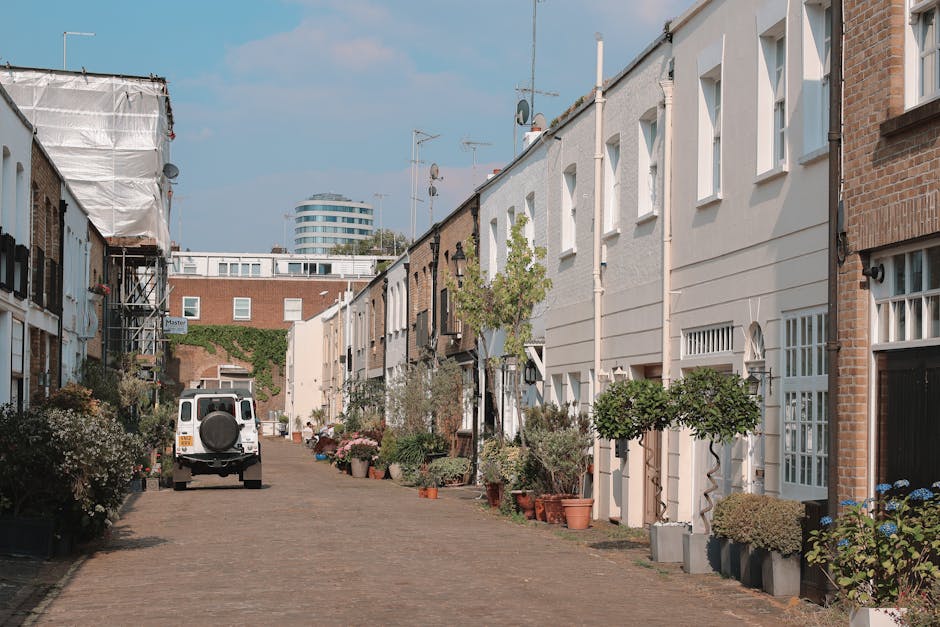
Gardens near Portobello Road are often shaped by the area itself. You get classic London terraces, mews gardens, roof terraces, courtyard plots, and front gardens that need to look good from the street without becoming high-maintenance headaches. The result? Maintenance here has to be both practical and considered. A quick cut-and-clear approach may keep things neat for a week, but it rarely holds up over a season.
There is also the local feel to think about. Portobello Road is busy, characterful, and public-facing in a way many other streets are not. That means front gardens, boundary planting, hedging, and even container arrangements can shape how a property feels. A tidy garden improves first impressions, yes, but it also helps with privacy, light balance, safety, and long-term plant health. Let's face it, a neglected garden in a visible street stands out for all the wrong reasons.
Good maintenance is about keeping plants healthy while managing the pressures of urban life: limited space, reflected heat, shade from walls and buildings, foot traffic, pets, weather exposure, and seasonal change. That is why local knowledge matters. Notting Hill gardeners understand how to work with those constraints rather than fighting them.
In our experience, gardens that are maintained regularly tend to be easier, cheaper, and less stressful to manage over time. If you only tackle the obvious problems when they become impossible to ignore, the work gets bigger fast. Weeds spread, hedges bulk out, lawns thin, and drainage issues quietly get worse. A small amount of steady attention usually saves a lot of effort later. That is the truth of it.
How Portobello Road garden maintenance by Notting Hill gardeners Works
Professional garden maintenance normally starts with a simple assessment of the space. What is growing well? What is struggling? Where are the problem areas? Is the garden mainly ornamental, practical, family-friendly, pet-friendly, or a mix of all four? Those questions shape the maintenance plan, because no two Portobello Road gardens are quite the same.
A typical maintenance visit may include:
- lawn cutting and edging
- border weeding and bed tidying
- hedge trimming and shaping
- pruning shrubs, climbers, and small trees
- deadheading and seasonal plant care
- leaf clearing and green waste removal
- container refreshes and feeding where needed
- patio and hard-surface clean-up
For many households, the work is planned on a repeating basis. Weekly, fortnightly, monthly, or seasonally, depending on how quickly the space changes. A compact courtyard with a few containers might need lighter but more frequent attention. A mature garden with hedging, lawn, and layered planting may need more structured visits, especially through spring and summer.
The best maintenance also includes observation. A good gardener does not just clip and clear. They notice early signs of stress, such as powdery mildew, compacted soil, uneven watering, pest activity, damaged stems, or creeping ivy. That kind of early spotting keeps small issues from turning into bigger jobs. Not glamorous, perhaps, but very effective.
If your garden includes timber features, a seating area, or decking, maintenance can sit alongside related work such as decking services in Notting Hill and patio cleaning in Notting Hill. For more complex outdoor plans, it can also overlap with landscaping support in Notting Hill.
Key Benefits and Practical Advantages
There are obvious benefits to a tidy garden, but the real value of maintenance goes deeper than appearance. Good garden care improves the whole environment around the property.
1. Better curb appeal, without the constant scramble
A well-kept Portobello Road garden looks calm and intentional. The borders are clean, the hedges are shaped, and the planting looks looked-after rather than left to fend for itself. That matters whether you are welcoming guests, tenants, customers, or simply coming home after a long day.
2. Healthier planting over time
Regular pruning, feeding, and weed control help plants stay vigorous. It is much easier to correct a bit of legginess, imbalance, or overcrowding early than to rescue a garden that has gone wild. Sometimes you can feel when a garden has been ignored: it looks heavy, tired, and oddly flat. A few precise interventions can change that quickly.
3. Less risk from overgrowth and debris
Unchecked growth can block paths, encourage damp, hide pests, and create trip hazards. Leaf litter and moss can make hard surfaces slippery. Overhanging branches and heavy climbers can also cause issues with fences, masonry, and neighbouring spaces. If a garden is exposed to seasonal wind, this becomes even more important. For that reason, many homeowners also refer to garden safety during severe weather and windproof garden strategies when planning upkeep.
4. More usable space
Regular maintenance makes a garden easier to live in. Suddenly there is room to sit, read, garden with children, or enjoy a morning coffee without staring at a tangle of stems. A space does not need to be large to feel inviting. It just needs to be managed well.
5. Stronger seasonal resilience
London weather can be surprisingly rough on small gardens. Cold snaps, summer heat, dry spells, and heavy rain all ask different things from your planting. A maintenance plan helps the garden adapt rather than decline. For winter-specific care, it is worth considering winter gardening tips for protecting plants from cold.
| Maintenance approach | Best for | What it usually includes | Typical outcome |
|---|---|---|---|
| Light refresh | Small gardens, low planting density | Weeding, light pruning, tidying, sweeping | Neat short-term appearance |
| Routine care plan | Most residential gardens | Cutting, pruning, feeding, seasonal adjustments | Stable health and controlled growth |
| Seasonal reset | Overgrown or neglected gardens | Clearance, restoration pruning, soil work, replanting | Garden brought back under control |
Who This Is For and When It Makes Sense
This type of local garden maintenance is not only for people with large gardens. In fact, some of the most time-sensitive spaces are the smallest ones. A narrow terrace garden can become messy faster than a larger plot because every plant and surface is more visible.
It makes sense for:
- homeowners who want a reliable upkeep routine
- busy professionals with limited time
- landlords and property managers preparing a garden for viewing
- families wanting a safer, easier outdoor space
- older residents who prefer help with heavier or repetitive tasks
- shops, cafes, or studios that rely on a polished frontage
It also makes sense after a period of neglect, before a special event, or when the garden has started to feel unmanageable. That often happens gradually. One week it is just a few weeds. A month later the hedge is leaning out, the lawn is patchy, and the seating area is buried under leaves. Funny how that happens, isn't it?
For pet owners, child-friendly spaces, or gardens with awkward vertical growth, maintenance may need to be more thoughtful. You may want to combine routine work with ideas from pet-friendly planting strategies, children's garden ideas, or even vertical gardening for small spaces.
Step-by-Step Guidance
If you want to understand how proper maintenance should be handled, it helps to break it down into stages. A well-run service is calm and methodical, not rushed and noisy for the sake of looking busy.
- Assess the space properly. Identify what needs urgent attention, what can wait, and what should be left alone. Not every plant needs a haircut, even if it looks tempting.
- Set priorities. Safeguard paths, access points, drains, and seating areas first. Then move to planting, shaping, and detail work.
- Remove waste and nuisance growth. Clear fallen material, invasive runners, weak stems, and weeds. If ivy has started to creep where it should not, deal with it early. A dedicated approach to eradicating ivy can save walls, fences, and borders a lot of grief.
- Prune with purpose. Trim for shape, health, and light, not just to make things smaller. That difference matters more than people think.
- Refresh the soil and feeding. Compost, mulch, and seasonal feed support better growth. There is a reason good gardeners care about organic matter. See also organic waste and soil vitality.
- Rebalance planting. Move, replace, or underplant if areas have become crowded or weak.
- Finish with a clean presentation. Sweep hard surfaces, stack cuttings neatly, and leave the garden usable.
A lot of people assume the visible finish is the whole job. It is not. The invisible work underneath - soil care, spacing, timing, watering discipline - is what keeps the visible finish looking good.
Expert Tips for Better Results
Here are a few practical tips that usually make a noticeable difference in Portobello Road gardens.
- Work with microclimates. A wall-facing bed can be warmer and drier than a shaded fence line. Treat them as different zones.
- Use structure where space is tight. Containers, vertical planting, and trained climbers can bring life without swallowing the whole garden. A little structure goes a long way.
- Choose plants that earn their keep. In cramped urban gardens, every plant should justify itself, whether through year-round interest, scent, colour, texture, or pollinator value.
- Trim hedges before they become a problem. If hedging is doing too much heavy lifting, book it in early. For a deeper look at form and finish, see hedge trimming in Notting Hill and innovative hedge trimming styles.
- Keep an eye on light levels. In dense streets, even a small amount of pruning can improve the garden's feel dramatically. One careful cut can brighten a whole corner.
- Do not ignore the hard surfaces. Mossy paving or dirty decking can make an otherwise beautiful garden feel neglected.
- Mulch before hot or dry periods. It helps reduce evaporation and buffers the soil. Simple, but very effective.
And here is a small but important one: if you are planning a seating spot, maintain the garden around it too. A bench under a clean canopy of planting feels inviting; a bench surrounded by weeds and leaf litter feels forgotten. For ideas, look at designing comfortable garden seating spaces.
Common Mistakes to Avoid
Most garden issues do not start with dramatic failure. They begin with a few small mistakes repeated over and over. That is the annoying part.
- Overcutting plants. Too much pruning at the wrong time can weaken growth or spoil flowering.
- Leaving weeds until they seed. Once that happens, the job gets much bigger.
- Using the wrong plant for the space. A beautiful plant that hates shade, wind, or dry conditions is still the wrong plant.
- Ignoring the soil. If the soil is tired, compacted, or poor, the rest of the garden will struggle.
- Forgetting the neighbours. Overhanging growth, spreading roots, and noisy DIY cutting can create avoidable friction.
- Trying to do everything at once. A garden revival is usually better in stages. It just is.
One mistake we see often is treating maintenance as a cosmetic service only. A garden can look tidy on the surface and still be in poor shape underneath. Better to solve the root cause now than keep painting over the cracks, so to speak.
If your plot has become tangled, overcast, or hard to use, a broader refresh may help. The article starting your garden revival journey is useful for that stage, especially if you are not sure where to begin.
Tools, Resources and Recommendations
Good maintenance depends on good tools, but not necessarily fancy ones. A reliable set of basics often beats a drawer full of gadgets you never use.
Useful tools usually include:
- sharp secateurs
- loppers for thicker stems
- hedge shears or powered trimmers where appropriate
- sturdy gloves
- leaf rake and hand rake
- border fork and trowel
- watering can or hose with controlled flow
- broom and dustpan for patios and paths
If you are maintaining a garden yourself, you may also want to review must-have outdoor tools for home gardeners. For gardens with growing food, herb gardening can be a surprisingly rewarding way to make compact outdoor space do more.
For planting support, these related guides may help shape practical decisions: ground cover plants, evergreen foliage for dark corners, and container gardening. In a dense neighbourhood, those kinds of planting choices often make the difference between a crowded patch and a well-composed garden.
If your outdoor area includes timber surfaces, it is worth considering materials and upkeep together. For example, the guide on hardwood versus softwood decking can help when you are balancing durability against maintenance effort.
Law, Compliance, Standards, or Best Practice
For most domestic gardens, maintenance is straightforward, but good practice still matters. If work affects shared boundaries, overhanging branches, fences, or access routes, it is sensible to proceed carefully and communicate clearly with neighbours where needed. That is not legal advice, just common sense that avoids tension.
If the job involves trees, larger limbs, or anything that could affect safety, it should be approached with the right level of care and, where necessary, specialist knowledge. Tree work is not the same as hedge trimming, and it should not be treated like it is. For more substantial work, a service such as tree surgery in Notting Hill may be more appropriate than routine pruning.
Health and safety also matters when using powered tools, ladders, sharp implements, or working near hard surfaces and traffic. Good operators should follow sensible site practices, wear appropriate protective equipment, and work in a way that keeps residents, passers-by, and property safe. If you want to understand the standards a local team should take seriously, review the site's health and safety policy and insurance and safety information.
Privacy, payments, and service terms should also be clear before any work begins. That helps prevent misunderstandings later. You can review terms and conditions, payment and security, and the privacy policy if you want that reassurance before booking. Small detail? Maybe. But small details matter when you are trusting someone with your outdoor space.
Options, Methods, or Comparison Table
Different gardens need different approaches. Here is a simple way to compare the most common maintenance styles.
| Method | What it focuses on | Strengths | Watch-outs |
|---|---|---|---|
| Routine maintenance | Regular cutting, tidying, weeding, and seasonal care | Prevents decline, keeps the garden usable | Needs consistency |
| One-off tidy-up | Fast visual improvement and clearance | Good for events, move-ins, or catching up | Problems may return quickly without follow-up |
| Restoration work | Heavier clearance, pruning, and rebalancing | Useful for neglected spaces | Takes more time and may need multiple visits |
| Specialist add-ons | Decking, fencing, lawn care, or landscaping | Solves structural or surface issues | Best chosen only when genuinely needed |
The right option depends on the garden's condition, not just the budget. A tidy small garden may only need maintenance. A tired, patchy, awkwardly planted space may need broader help from gardening services in Notting Hill or garden maintenance in Notting Hill. If lawns are the main issue, then lawn mowing or lawn care may be enough on their own.
Case Study or Real-World Example
Take a typical Portobello Road terrace garden: narrow, partially shaded, with a modest lawn, a climber on the rear wall, two containers near the seating area, and a hedge near the front boundary. On paper, it sounds simple. In reality, it might have three different moisture zones, two patches of overgrown ivy, a few weeds under the seating bench, and a hedge that is just starting to lean into the light.
A sensible maintenance visit would usually begin with clearing the obvious bottlenecks: the weeds, the dropped leaves, and the growth blocking access. Next comes pruning the climber and shaping the hedge so the garden feels lighter. Then the lawn gets edged and tidied. Finally, the containers are refreshed, the soil is checked, and the seating area is swept clean. Nothing dramatic. Just a steady improvement that changes how the whole space feels.
By the end, the garden does not look redesigned. It looks cared for. And honestly, that is often the bigger win. Most people do not need an overhaul; they need the garden to feel manageable again.
If the space is especially exposed, a good maintenance plan may also include measures for resilience and shelter. That is where severe weather garden safety, climate-conscious garden thinking, and calmer garden design ideas can feed into the broader plan.
Practical Checklist
Use this checklist if you are preparing for a maintenance visit or reviewing the condition of your garden.
- Paths, steps, and access routes are clear
- Lawns are cut, edged, and not patching out badly
- Hedges are trimmed and not blocking light or movement
- Weeds are removed before they seed
- Shrubs and climbers are pruned for health and shape
- Containers are watered, weed-free, and planted appropriately
- Patio or decking areas are swept and safe to walk on
- Dead or damaged growth has been removed
- Soil has been topped up, mulched, or fed where needed
- Green waste has been bagged or removed responsibly
- Any ivy, root spread, or overgrowth is being monitored
- There is a realistic plan for the next visit
If you can tick most of those boxes, your garden is probably in good shape. If not, do not panic. Most gardens can be brought back with patience and a clear plan.
Get a free quote today and see how much you can save.
Conclusion
Portobello Road garden maintenance by Notting Hill gardeners is about far more than surface tidiness. It is about helping a local garden stay healthy, usable, and properly suited to the way London spaces really work. In a place where gardens are often compact, visible, and exposed to changing conditions, regular maintenance is the difference between a space that merely exists and one that genuinely adds value to daily life.
Whether you need a one-off reset, steady weekly care, or support with a more tired outdoor space, the best results come from sensible planning, careful work, and attention to detail. Not flashy. Just done properly.
And if your garden is currently looking a bit unruly, well, that happens. The good news is that most outdoor spaces respond better than people expect once someone gives them a steady hand.
A garden does not need perfection. It needs care, rhythm, and a bit of kindness, really.


Leveraging his gardening knowledge, Mark has the capability to produce informative articles on landscaping, lawn care, and garden maintenance, enabling hundreds of individuals to savor the garden they've been longing to nurture.