Westbourne Grove garden clearance by local gardeners in W11
Posted on 11/11/2026
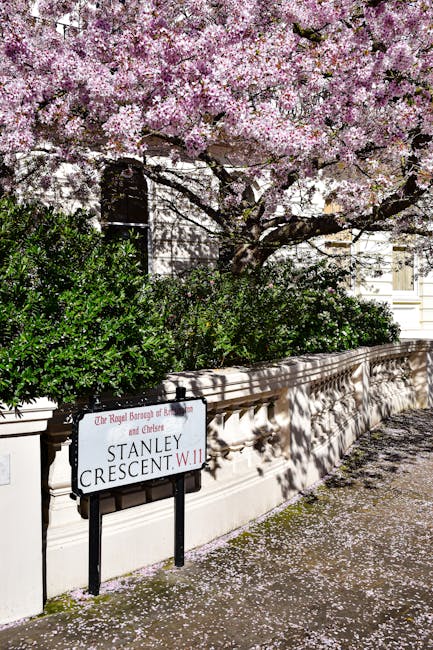
Westbourne Grove Garden Clearance by Local Gardeners in W11
If your garden has tipped from "a bit untidy" into full-on jungle mode, you are not alone. In Westbourne Grove, where many outdoor spaces are compact, layered, and a little awkward to access, clearing a garden properly can feel like a bigger job than it first looks. That is exactly where Westbourne Grove garden clearance by local gardeners in W11 makes a real difference: the work is quicker, cleaner, and far less stressful when it is handled by people who already know the area and the typical garden problems that come with it.
Whether you are dealing with piles of cuttings, stubborn ivy, broken pots, self-seeded weeds, or a garden that simply needs a reset, a professional clearance is often the best way to get back control. This guide walks through what garden clearance includes, how it works, what to expect, and how to choose the right approach for your space. A little messy now, a lot easier later.
Why Westbourne Grove garden clearance by local gardeners in W11 Matters
Garden clearance is not just about making things look neat for a weekend. In a place like Westbourne Grove, it often restores usability, reduces safety issues, and prevents small problems from becoming expensive ones. A neglected garden can quickly turn into a tangle of weeds, broken branches, damp debris, and blocked access routes. Once that happens, even simple maintenance becomes harder. That is the cycle local gardeners help you break.
Local knowledge matters here. W11 gardens often sit behind terraces, mews properties, flats, or mixed-use homes, so access can be tight and waste removal needs a practical plan. A local gardener who knows how to work in these spaces usually arrives better prepared, with the right tools and a realistic sense of what can be achieved in one visit. That saves time and avoids the classic "we only half-finished it because there was nowhere to store the cuttings" problem. Nobody needs that drama.
There is also a seasonal angle. After heavy rain, windy spells, or a long cold snap, gardens in London can look rough very quickly. Clearing dead growth, fallen material, and unsafe debris helps protect the healthy parts of the garden underneath. If you are trying to bring a space back after bad weather, it can be worth reading up on protecting your garden during severe weather events and safeguarding plants from winter cold before and after a clearance.
And there is a simple truth too: the sooner you clear a crowded garden, the less likely you are to lose shrubs, turf, paving edges, or planting structure under a mess of weed growth. Overgrown ivy, bramble, and leaf build-up all compete for light and moisture. In winter, shade and damp linger longer; in summer, dry clutter can hide pests and damaged stems. It all adds up.
How Westbourne Grove garden clearance by local gardeners in W11 Works
Most garden clearance jobs follow a clear, sensible flow. The details change depending on the size of the garden, what has built up, and whether there are trees, hedges, decking, or patio areas involved. But the general process is fairly consistent.
1. Site assessment
The gardener looks over the garden and identifies the main clearance tasks: weeds, overgrown borders, hedge waste, leaf litter, old pots, broken fixtures, and any material that needs specialist handling. In cramped urban gardens, this first look is important because access points and waste volume often dictate the work plan.
2. Cutting back and sorting
Next comes the physical clearance. This may include pruning back overgrowth, removing dead plants, cutting down spent annuals, lifting invasive weeds, and reducing bulky material so it can be bagged or loaded safely. If ivy is covering walls, fences, or trees, it may need a more careful approach than a simple cut-and-pull. For that, it helps to understand how to deal with ivy thoroughly, because a rushed job often leads to regrowth.
3. Waste collection and removal
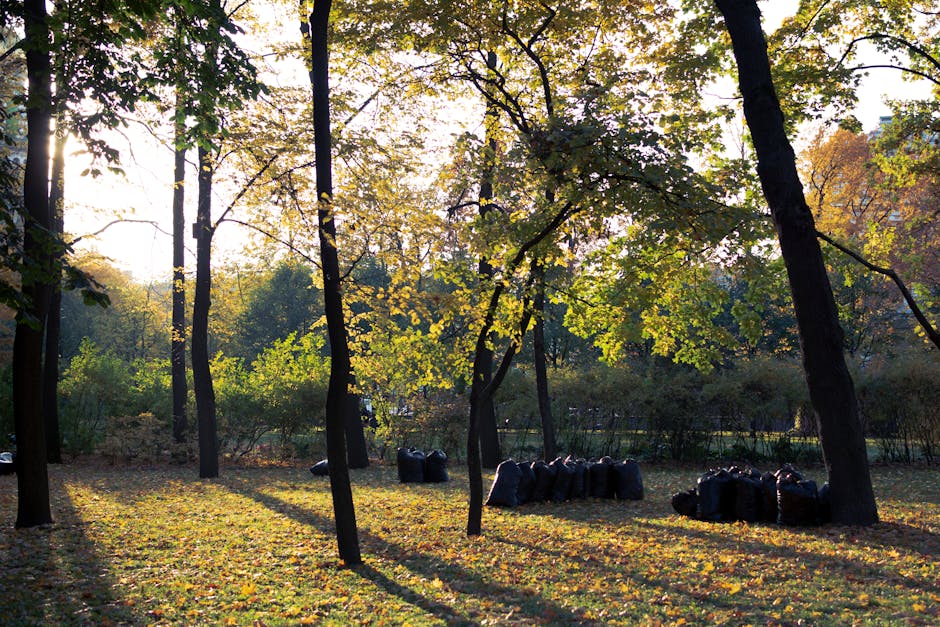
Once the material is gathered, it is usually sorted for green waste disposal, recycling, or removal. This matters more than people expect. A clearance should leave the property cleaner, not just more open. If the job includes large quantities of organic material, compostable waste may be handled separately from contaminated or mixed debris.
4. Final tidy and surface sweep
The final pass is what turns a "cleared" garden into one that feels usable. Paths are swept, borders are edged, loose debris is collected, and any awkward corners are checked. If there is a patio, pergola base, or seating area, that zone often gets a tidy-up as well. Some clients pair clearance with broader maintenance work, such as ongoing garden maintenance in Notting Hill or a focused patio cleaning service after the big mess has gone.
To be fair, a good clearance is as much about judgement as muscle. Knowing what to remove, what to reduce, and what to leave alone is the mark of a decent gardener.
Key Benefits and Practical Advantages
A proper clearance gives you more than visual improvement. It resets the whole relationship you have with the garden. You stop avoiding it every time you look out the back door. That sounds small, but it is not.
- Immediate usability: Clearing clutter opens up paths, seating areas, borders, and steps so the garden can be used again.
- Better plant health: Removing dead material and crowding helps remaining plants get more light, air, and water.
- Lower safety risk: Loose branches, slippery leaves, hidden edging, and obstructed access points are all easier to manage after clearance.
- More accurate planning: Once the garden is cleared, you can actually see what is worth keeping, replacing, or redesigning.
- Less ongoing stress: A manageable garden is simply less exhausting to maintain. You will notice that immediately.
- Cleaner handover for new projects: Clearance is often the first step before planting, fencing, turfing, hedge shaping, or landscaping.
It also creates a better baseline for design decisions. If you have ever wanted to reshape a garden seating nook, add container planting, or introduce privacy screening, clearance gives you the honest starting point. For instance, if the end goal is a calmer outdoor space, you might later explore zen garden concepts or practical garden seating ideas once the area is reset.
In our experience, a cleared garden also tends to feel brighter. Even a small W11 courtyard can suddenly look bigger when the dead weight is gone. Funny how that works.
Who This Is For and When It Makes Sense
Garden clearance is useful for all sorts of people, not just those with wildly overgrown plots. In fact, some of the most sensible clearance jobs are in gardens that are not "bad" at all, just crowded, tired, or stuck in limbo.
- Homeowners preparing for a refresh: If you are planning new planting, lawn work, fencing, or landscaping, clearance comes first.
- Landlords and property managers: Clear, safe outdoor spaces are easier to present, let, and maintain.
- Busy households: If your garden has slipped down the priority list, a reset can save hours of catch-up work.
- Older properties with mature planting: Long-established gardens often need selective reduction rather than wholesale removal.
- New buyers or new tenants: Sometimes the outdoor area is the first thing that needs attention after moving in.
- Families with children or pets: Clear access and fewer hidden hazards make the space more practical day to day. If that is your situation, you may also find kid-friendly garden ideas and pet-friendly planting strategies useful later on.
When does it make sense to book? Usually when the garden is no longer easy to maintain in one normal session. If you need multiple bags, several hours, ladders, or a skip's worth of patience, that is a strong sign. Also, if access is becoming awkward because of overgrowth, do not wait. The longer you leave it, the more the job costs in time and effort.
Step-by-Step Guidance
If you are thinking through a clearance yourself, or just want to understand how a local gardener will tackle it, this simple sequence helps.
- Walk the garden slowly. Note what is dead, unsafe, invasive, or simply in the way. Take a few photos if that helps you think clearly.
- Decide what stays. Keep healthy shrubs, self-seeded plants you actually like, and any structures worth repairing.
- Remove obvious loose waste first. Pots, branches, bagged rubbish, broken canes, and scattered debris are the fastest wins.
- Cut back the obvious overgrowth. Work from the outside in, especially along borders and fence lines.
- Deal with weeds and roots. Surface weeds are one thing; deeper-rooted weeds and invasive spreaders are another. If weed pressure is a regular issue, these practical weed-control tips are worth a look.
- Check for hidden problems. Rotten timber, unstable posts, broken paving, or blocked drains often appear only after the greenery is moved.
- Sort waste properly. Keep green waste apart from hard waste where possible. It makes disposal easier and tidier.
- Finish with a reset sweep. The best clearance jobs end with the space looking open, not half-finished.
A useful rule of thumb: clear in layers, not in a rush. If you strip everything at once, you may damage plants you meant to keep. If you go too slowly, you never finish. Somewhere in the middle is the sweet spot. Not glamorous, but it works.
Expert Tips for Better Results
Good clearance is rarely about doing more. It is about doing the right things in the right order.
Protect the structure before the clutter
If you have a fence, edging, deck, trellis, or raised bed, work around those features carefully. You do not want to solve a mess by causing new damage. If the garden includes timber features, it can be useful to think ahead about long-term durability; the right material choices matter, as discussed in hardwood versus softwood decking.
Keep a sharp eye on access
In W11, access can be tight, so the route from garden to front door or collection point matters. Clear a path before you start the main work. It sounds obvious, but it saves a surprising amount of faff.
Use clearing as an opportunity to simplify
A clearance is the perfect time to decide whether a high-maintenance corner really needs to stay the same. Maybe a border should become a low-care patch of evergreens. Maybe a dark area needs more structure. If so, evergreen foliage ideas for dim corners and ground cover planting options can help shape the next stage.
Work with the season, not against it
Late autumn and early spring are common times for clearance because growth patterns make the work clearer. But after storms, a quick tidy is often smart. If wind is a recurring issue in your spot, windproofing strategies for gardens are a sensible companion read.
Think ahead to maintenance
The best clearance is the one that does not immediately unravel. Once the space is clean, plan what happens next: hedge trimming, lawn recovery, planting, or a simple monthly tidy. If you want a lighter ongoing routine, lawn care support or regular mowing can keep the whole garden from slipping back.
One last thing: do not overcomplicate the first pass. A clean start beats a perfect plan that never begins.
Common Mistakes to Avoid
Garden clearances often go wrong in very predictable ways. The good news is they are easy to avoid once you know what to look for.
- Cutting before checking: Some plants are worth keeping, even if they look tired. Give the garden a proper inspection first.
- Ignoring hidden waste: Old plastic, broken pots, twine, and buried debris often lurk under the obvious mess.
- Leaving roots behind: Surface-level clearing looks neat for a day or two, then the weeds return with attitude.
- Using the wrong tools: A dull saw, blunt shears, or flimsy bags can turn a straightforward job into a long one.
- Forgetting waste logistics: You need a plan for disposal before the pile grows. Otherwise, the garden becomes a waiting room for green waste.
- Working without gloves or eye protection: Brambles, splinters, and grit can be sneaky. Not worth the risk.
- Trying to do everything at once: That is how good intentions become backache.
Another common mistake is treating every overgrown garden the same. A mature London garden with shrubs, climbers, and a few structural plants needs a different approach from a purely abandoned plot. One is a rescue, the other is a reset. Similar jobs, very different judgement calls.
Tools, Resources and Recommendations
You do not need an enormous toolkit for a garden clearance, but you do need the right basics. The better the tools, the less the job feels like a wrestling match with a hedge.
- Heavy-duty gloves: Essential for brambles, thorns, and rough waste.
- Secateurs and loppers: For smaller stems, dead growth, and mid-size cutback.
- Pruning saw: Useful for thicker branches and woody stems.
- Rake and leaf grabbers: Good for the final sweep and lighter debris.
- Wheelbarrow or sturdy tubs: Helps move waste without repeated lifting.
- Tarpaulin or waste sacks: Makes sorting and carrying debris much easier.
- Hose or pressure-free rinse: Handy for the final tidy on hard surfaces.
If you are building a more capable gardening setup, a practical guide like must-have outdoor tools is a solid reference. For households planning a bigger reset, it can also help to think about the next phase of the garden: vertical planting, containers, or even simple low-maintenance design. Vertical gardening can be a neat way to use space after clearance, especially where ground area is limited. And if you want a more flexible, moveable setup, container gardening gives you a lot of control.
If the clear-out produces a lot of green waste, it is smart to separate it from soil, rubble, and general rubbish. That makes disposal cleaner and often simpler. The same goes for any organic material you might want to compost later. There is a good reason people pay attention to organic waste and soil vitality; what you remove today can sometimes become useful compost tomorrow, provided it is healthy material.
Law, Compliance, Standards, or Best Practice
Garden clearance is usually straightforward, but there are still a few important best-practice considerations in the UK. You do not need to become a compliance expert, thankfully, but you should know the basics.
Waste handling matters. Green waste, mixed waste, and hazardous items should not all be thrown together. If a gardener is removing waste for you, it is normal to expect it to be handled responsibly and in line with local waste requirements. If you are hiring help, it is fair to ask how waste is disposed of and whether it is included in the job.
Safety comes first. Gardens can hide trip hazards, sharp edges, unstable steps, broken glass, and rotten timber. A professional who works carefully should have a sensible routine for assessing these risks before the heavy lifting starts. That is also why clear communication helps. If there are pets, children, or shared access routes, say so early.
Tree and hedge work may need extra care. Simple tidying is one thing; substantial reduction, pruning near structures, or work on large woody growth may require specialist attention. If the job is moving beyond general clearance, it can make sense to look at tree surgery support or hedge trimming for a cleaner finish.
Property boundaries and neighbour awareness matter too. In closely packed streets, overhanging growth, shared fences, and access to rear gardens can all require a bit of neighbourly common sense. Nothing dramatic. Just decent communication before ladders and cuttings start appearing over fences.
Some gardens also involve timber features, privacy screens, or boundary structures that need a broader plan than simple clearance. If that is your situation, fencing work and landscaping support may be the natural next step after the initial tidy.
Options, Methods, or Comparison Table
Not every garden needs the same type of clearance. Here is a straightforward comparison of the main approaches.
| Approach | Best for | Pros | Trade-offs |
|---|---|---|---|
| Light tidy clearance | Small, manageable gardens with seasonal debris | Quick, affordable, minimal disruption | Not suitable for heavy overgrowth or invasive growth |
| Full garden clearance | Overgrown, cluttered, or neglected gardens | Resets the space, improves access, reveals hidden issues | Takes longer and usually creates more waste |
| Selective clearance | Mature gardens where some planting should remain | Protects established shrubs and structure | Needs more judgement and skill |
| Clearance plus maintenance | Clients who want long-term order, not just one-off tidying | Helps prevent regrowth and repeat mess | Requires ongoing visits or a maintenance plan |
If your goal is to reclaim a space for entertaining, family time, or quiet evenings outdoors, you may later add seating or shade. The right shape matters. A cleared garden can be transformed into a proper retreat, especially if you bring in ideas from comfortable outdoor seating spaces or even a more structured privacy hedge plan.
Case Study or Real-World Example
A typical Westbourne Grove project might start with a back garden that has been left alone through autumn and winter. The border plants are still alive, but they are buried under leaf litter and long grass. Ivy has crept along one fence, the path is slippery, and a few broken containers are sitting near the shed. It is not a catastrophe. Just a garden that has got away from someone, which happens more often than people admit.
In a case like that, the local gardener usually begins by clearing the access route and removing obvious debris so the space can be worked safely. Then the overgrowth is reduced in stages, the ivy is stripped back carefully, and the garden is checked for any structural problems behind the mess. Sometimes the client realises they want more than clearance. They want a proper revival. That is when the next phase starts: perhaps fresh planting, a neater lawn edge, or a redesigned low-maintenance zone. A project like starting a garden revival journey is often the natural follow-on.
By the end, the space usually feels different in a way that photos never quite capture. You hear the gravel underfoot again. You can see the fence. Light lands in the corners. And for the first time in months, the garden feels like a room again, not storage with plants.
Practical Checklist
Use this before booking or beginning a clearance. It keeps the job focused and saves needless back-and-forth.
- Identify what you want removed, reduced, or kept.
- Check access points, side passages, and rear entry routes.
- Look for hazards such as broken glass, loose paving, or rotten wood.
- Separate green waste from general rubbish where possible.
- Decide whether you want a one-off clearance or ongoing maintenance afterwards.
- Note any plants, features, or structures that need protecting.
- Tell the gardener if there are pets, children, neighbours, or timing constraints to consider.
- Ask how waste will be taken away.
- Consider whether the garden needs follow-up work such as hedge trimming, lawn recovery, or planting.
- Check whether the finished space should be left simply clear, or ready for a new design stage.
Quick expert summary: the best garden clearance is thorough, selective, and planned. If it protects what matters, removes what does not, and leaves the garden genuinely easier to live with, it has done its job.
Conclusion
Westbourne Grove garden clearance by local gardeners in W11 is about more than tidying a messy outdoor space. It is a practical reset that gives you back access, safety, and breathing room. It helps you see your garden properly again, which is often the first step toward making it enjoyable.
Whether you need a light seasonal clear, a full overgrowth removal, or a careful first pass before landscaping, working with a local gardener makes the process easier and more grounded in the realities of W11 homes. Small gardens, awkward access, changing weather, and tight timelines all become more manageable with the right help.
If your garden has been waiting on the list for too long, this is a good moment to deal with it. Not later. Now, while the mess is still just a mess and not a bigger problem.
Get a free quote today and see how much you can save.

Leveraging his gardening knowledge, Mark has the capability to produce informative articles on landscaping, lawn care, and garden maintenance, enabling hundreds of individuals to savor the garden they've been longing to nurture.